Pinyin First, Characters Later
Every class starts with pinyin. For those who don't know, pinyin is Mandarin's official romanization system. It lets you practice speaking and listening long before you start getting acquainted with Han characters.

No need to panic at the sight of thousands of characters on day one. In this Mandarin course, you start your journey through the pinyin system, so you can get comfortable with speaking and picking up on tones first, before gradually moving on to characters.

Every class starts with pinyin. For those who don't know, pinyin is Mandarin's official romanization system. It lets you practice speaking and listening long before you start getting acquainted with Han characters.
Getting a tone wrong in Mandarin can completely change the meaning of a word. The classic example is 妆 (mā, mother) and 骂 (mà, to scold). Your tutor corrects your tones throughout each session so your ear gets used to telling them apart from the start.
Han characters get overwhelming if you try to memorize them all at once. Classes introduce around 150 to 300 of the most common characters at the beginner level, with the character load increasing gradually as you progress.

China is currently Indonesia's largest trading partner, and companies from Huawei to Wuling are increasingly operating here. Conversational Mandarin skills give you a real edge as a job applicant in tech and automotive sectors alike.

The characters used in class are the simplified version (简体字), following the People's Republic of China standard and mainstream Mandarin platforms like WeChat. If you later want to learn traditional characters (for Taiwan or Hong Kong content, for example), the transition from a simplified foundation is relatively easy.

Many prospective participants grew up hearing Mandarin from family or their environment but never studied it formally. A short placement test checks how much you currently understand, and the results are used by our team to decide which class fits you.

It's just you and your tutor, with no other participants in the session. If you have a specific goal — say, working at a Chinese company or traveling to Beijing — the material can be tailored to exactly that.

Learn alongside other participants at the same level. Mandarin group classes are often interesting because participants come from such varied backgrounds, from those who grew up in Chinese-Indonesian families to complete beginners starting from scratch.


Tone practice and pronunciation correction just don't work with a one-way recording. You need a tutor who can hear your pronunciation in real time and demonstrate it again until you can tell the tones apart before moving on to the next topic.
Every session is interspersed with listening practice using authentic material like news clips or Mandopop songs. Han characters are introduced gradually through on-screen digital flashcards, so your eyes start getting used to recognizing patterns that show up often in everyday sentences.
A short placement test for Rp195,000 checks how much you currently understand and can speak. For participants who grew up around Chinese-Indonesian communities, the results can be surprising — your baseline is often higher than you'd think. The results are used by our team to place you in the right class.

I've always dreamed of teaching English in China. But I wanted to actually connect with my future students, not just barely survive. The Mandarin conversation class at Lingua Learn gave me the confidence for that. I'm moving to Chengdu next month!
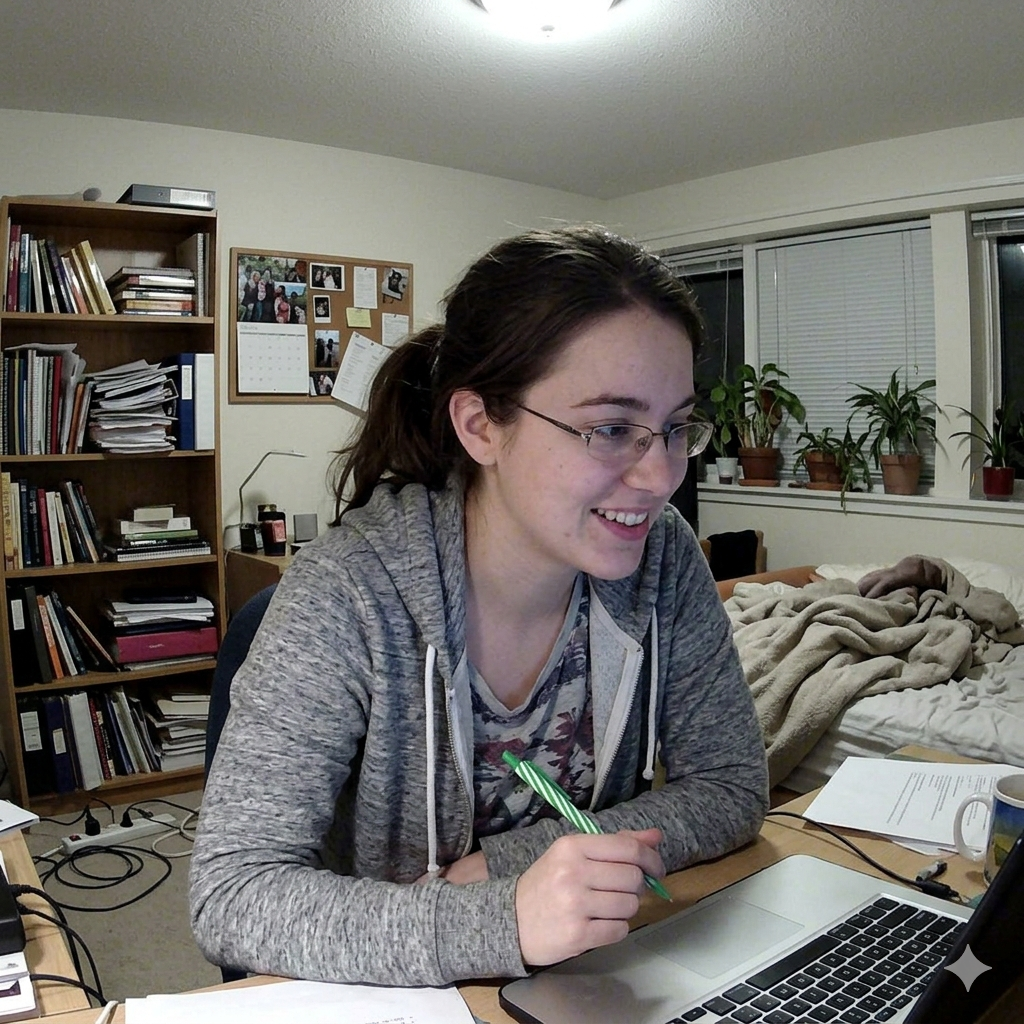
I run a small import business and most of my suppliers are in Shenzhen. Google Translate used to embarrass me in meetings more than once. After three months of classes at Lingua Learn, I can now negotiate prices directly in Mandarin. My profit margin has gone up because of it.
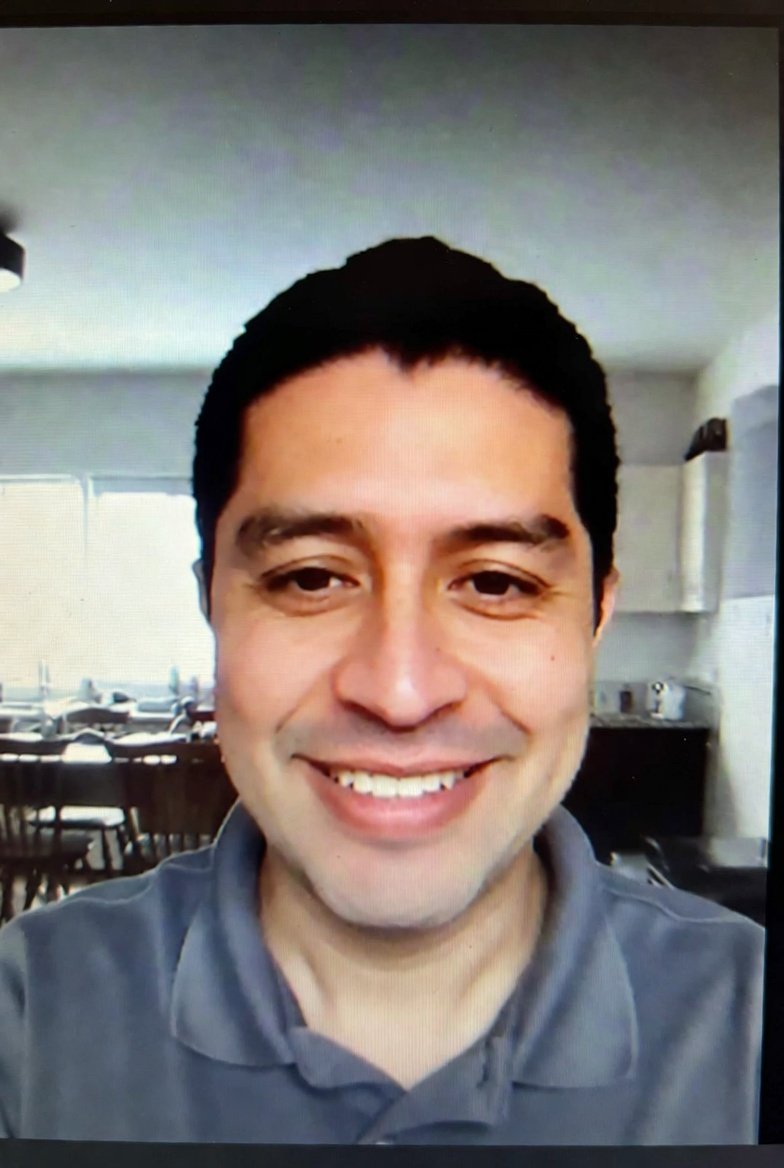
I studied Mandarin back in college but forgot pretty much everything. Lingua Learn helped me relearn it in half the time it took me the first time around. The spaced repetition method for the characters is genius — from zero to reading basic news articles in just 5 months.

Not all of them. For everyday communication, knowing around 1,000 of the most common characters is usually enough. Our classes introduce characters gradually and rely on pinyin early on, so you can start speaking practice right away before characters become a barrier.
Simplified (简体字), following the standard used in the People's Republic of China and mainstream Mandarin platforms like WeChat. If you need traditional characters later on for Taiwan or Hong Kong contexts, the transition from a simplified foundation is relatively easy.
Yes, getting the tone wrong really does change a word's meaning. The classic example is "ma" with four different tones: 妆 (mā/mother), 麻 (má/hemp), 马 (mǎ/horse), 骂 (mà/to scold). Your tutor keeps correcting your tones every session so your ear gets used to telling them apart from the start.
Not necessarily. Hokkien and Mandarin are different languages, even though both belong to the Chinese language family. Some vocabulary might feel familiar, but the grammar and pronunciation are quite different. A placement test can help determine the best place for you to start.
Our curriculum follows the CEFR standard, while HSK has its own question format and scoring scale. Participants at B1 level and above usually come close to HSK 3-4 proficiency, but we don't guarantee a specific score. If HSK certification is your goal, dedicated practice outside of class is still needed.
Yes. All classes are online. We have plenty of participants outside Java too, from Medan to Makassar.